
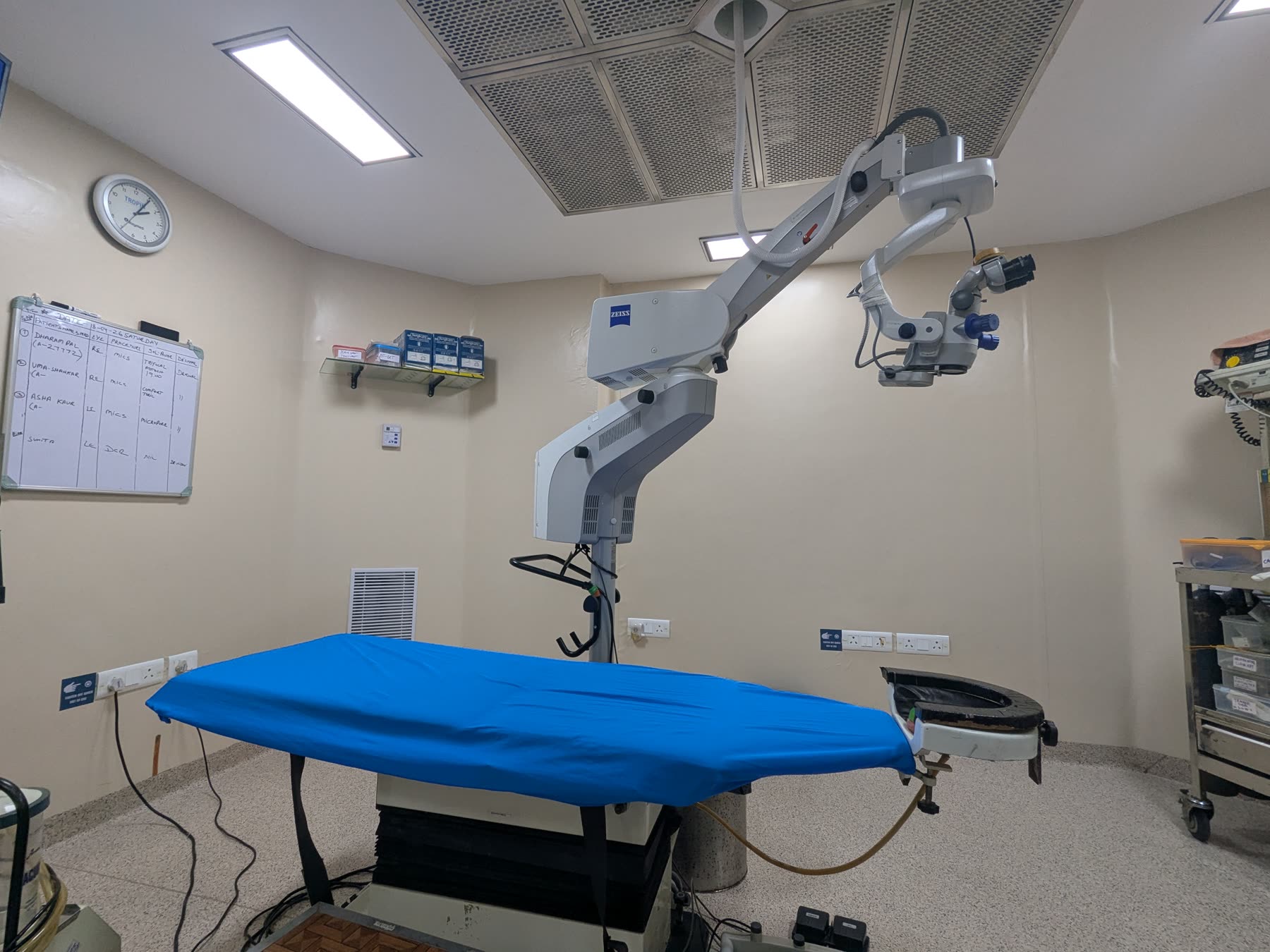
Cataract surgery recovery takes time. Blurred vision, watering, mild redness, light sensitivity or a gritty feeling can occur during the first few days. These symptoms should settle as the eye heals. Severe pain, sudden loss of vision or symptoms that are getting worse need urgent medical attention.
Follow the instructions from the surgeon who operated on your eye. The operation, the condition of your eye and other eye diseases can all affect your recovery.
Cataract surgery recovery timeline
| Time after surgery | What you may notice | What to do |
|---|---|---|
| First 24 hours | Blurred vision, watering, mild discomfort or sensitivity to light | Use your prescribed drops and protect the operated eye as instructed |
| Days 2 to 7 | Vision may remain blurred or fluctuate; mild grittiness or redness may continue | Continue the protection and activity restrictions in your discharge instructions |
| Following weeks | Comfort and vision should improve, though the pace differs between patients | Attend follow-up appointments and ask before restarting restricted activities |
| Up to eight weeks | Complete healing can take this long | Ask your eye doctor when to check your glasses prescription |
This timeline is a guide, not a promised recovery date. The National Eye Institute says complete healing can take up to eight weeks. Other eye diseases may affect vision after cataract surgery.
Symptoms that can occur after surgery
Temporary symptoms can include:
- blurry or fluctuating vision
- watering or a gritty feeling
- mild redness or discomfort
- sensitivity to bright light
These symptoms should improve rather than become more intense. Contact an eye doctor promptly if you are unsure whether a change is part of normal recovery.
Precautions after cataract surgery
Use your eye drops as prescribed
Wash your hands before handling the bottle. Use each drop on the schedule your surgeon gave you. Do not stop, restart or change the drops without medical advice. If the instructions are unclear, ask the clinic to show you how to use the drops.
Do not rub or press the operated eye
Your surgeon may ask you to wear an eye shield, especially while sleeping. Use it for the length of time in your discharge instructions.
Keep soap and direct water out of the eye
Avoid splashing water, soap, shampoo or other products into the operated eye. Ask your surgeon when you can wash your face and hair normally.
Wait before heavy lifting or strenuous activity
Avoid heavy lifting, vigorous exercise and activities that could expose the eye to dust or an accidental knock until your surgeon says they are safe. The restriction depends on the operation and your recovery, so one waiting period does not fit every patient.
Protect the eye from dust, smoke and bright sunlight
Use the protection recommended by your surgeon. Sunglasses may make bright light more comfortable outdoors, but they do not replace a prescribed eye shield.
Ask before driving again
Do not drive yourself home after surgery. Your surgeon should advise when your vision and recovery make driving safe. A standard waiting period does not apply to everyone.
Warning signs after cataract surgery
Contact your operating surgeon or an emergency eye service urgently if you develop:
- sudden loss or rapid worsening of vision
- severe pain
- increasing redness
- new discharge from the eye
- new flashes of light or a sudden increase in floaters
- symptoms that worsen after they had started to improve
These changes need prompt assessment. Do not wait for your next routine appointment.
When can you return to work?
The answer depends on your job and your recovery. Work that involves lifting, dust or driving may require more time away than desk work. Describe your work to your surgeon and ask when it is safe to return.
When will you need new glasses?
Your glasses prescription can change while the eye heals. Ask your eye doctor when it should be checked; the timing should follow your post-operative review.
Cataract surgery aftercare checklist
- Keep your discharge instructions and clinic contact number nearby.
- Use each prescribed medicine on time.
- Attend every scheduled follow-up.
- Protect the operated eye as instructed.
- Ask before restarting driving, exercise, heavy work or other restricted activities.
- Report pain, worsening redness or a change in vision promptly.
If this guide differs from your discharge instructions, follow the advice from the surgeon who examined and operated on your eye.
Sources
This guide provides general information and does not replace an examination or personalised medical advice.