
Vitreo Retina Clinic
Diabetic retinopathy, retinal detachment and macular care, managed long term.
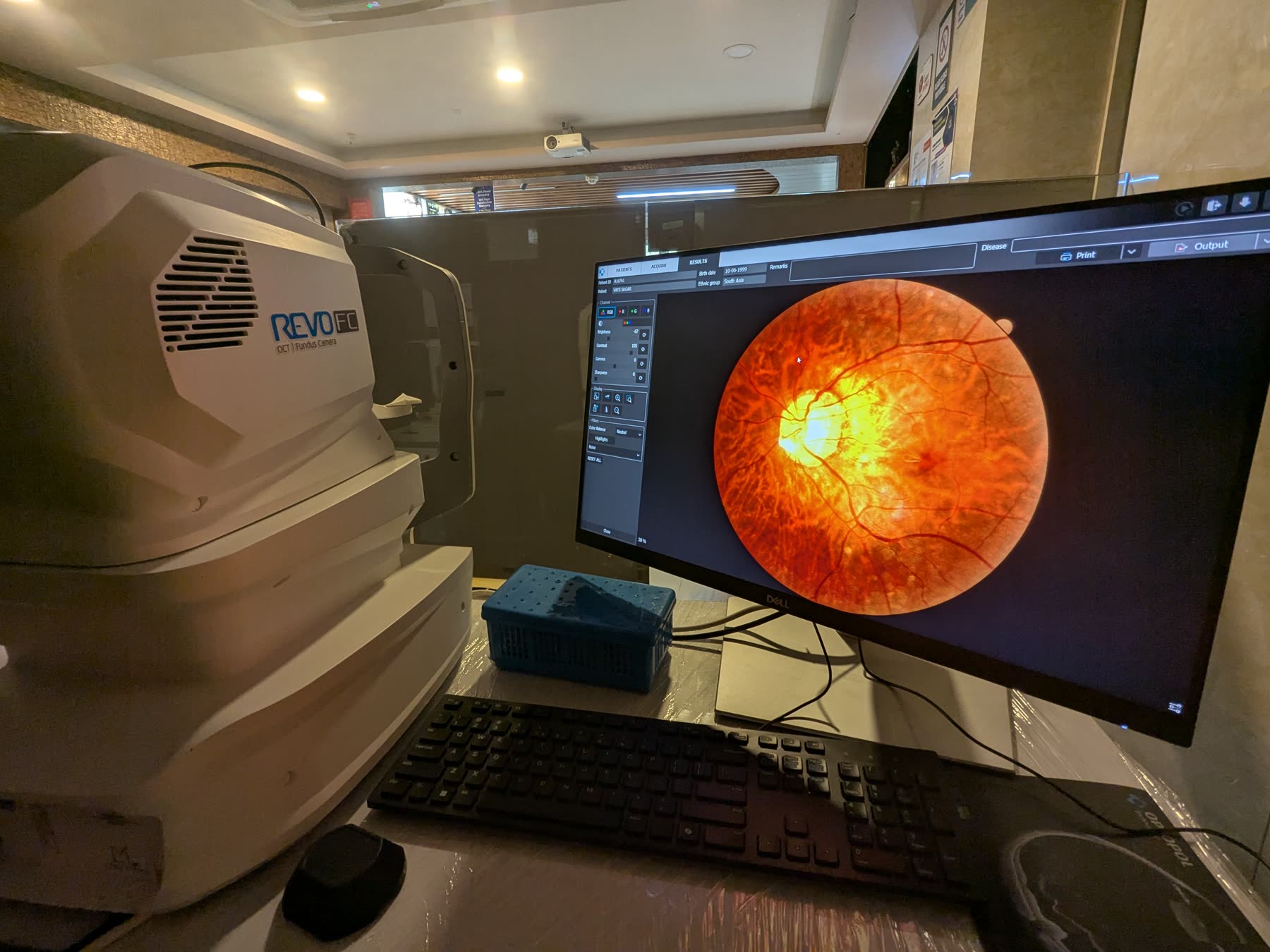
What this service covers
- OCT-guided diagnosis and monitoring
- Injections and laser care for diabetic eye disease
- Surgical care for retinal detachment and macular conditions
The retina is the light-sensitive tissue at the back of the eye. Retinal disease may affect central detail, side vision or both, and some conditions cause little warning until damage is advanced. A dilated retinal examination and appropriate imaging help identify the cause and the urgency of treatment.
Symptoms that need retinal assessment
- New floaters, flashes of light or a curtain-like shadow in the vision
- Sudden distortion, a central blurred patch or unexplained loss of vision
- Visual changes associated with diabetes, high blood pressure or previous eye surgery
- A premature baby who has been given an ROP screening schedule
Diagnosis and monitoring
The retina specialist may use a dilated examination, OCT imaging and other tests depending on the concern. OCT provides cross-sectional images of the macula and optic nerve, allowing subtle swelling or structural change to be measured over time.
For diabetes-related eye disease, regular examinations matter even when vision feels normal. The findings, stage of disease and general health determine whether observation, better systemic control, injections, laser or surgery should be discussed.
Treatment and follow-up
Retinal treatment is condition-specific. Some findings need monitoring only; others may need medicine delivered into the eye, laser treatment or vitreoretinal surgery. The expected benefit, limitations, follow-up schedule and warning symptoms are explained before treatment.
A sudden shower of floaters, flashes, a dark curtain or rapid visual loss should not wait for a routine online appointment. Seek urgent eye assessment.
Frequently asked questions
How often should a diabetic patient get an eye check?
Every diabetic patient should have a dilated retina examination at least once a year, even if vision feels normal. Diabetic retinopathy can damage the retina before you notice any symptoms.
Can diabetic retinopathy be reversed?
Early changes can be stabilised with injections, laser or timely surgery. Damage already done cannot be reversed, which is why early detection and regular monitoring matter. Good blood sugar and blood pressure control slows progression.
What is a retinal detachment?
A retinal detachment is when the retina pulls away from the back of the eye. Symptoms include sudden flashes, new floaters or a curtain over part of your vision. It is a medical emergency — call the clinic immediately.
Ready to see clearly?
Book a consultation — we'll examine your eyes properly and tell you honestly what they need. Nothing more, nothing less.
Opposite Metro Pillar 394, Sector 7.
Choose the patient, doctor, and a genuinely open time without leaving this page.